
From Black Belt to Better Leader: What Lean Six Sigma Really Taught Me
My grandfather used to tell me, “Get all the knowledge you can. Not pieces of paper that say you know it, but actual knowledge of how to accomplish things.” He would remind me that jobs, money, and possessions can all be lost, but knowledge stays with you. At the time, I didn’t fully understand what he meant, but over the course of nearly three decades in manufacturing and almost twenty years since completing Lean Six Sigma Black Belt certification through TMAC, I’ve realized those words shaped far more than my career. They shaped how I view leadership, systems, technology, and people.

While my grandfather laid much of the foundation, my parents helped build the framework that carried me through life and manufacturing. My dad taught me grit, persistence, and how to work the problem instead of running from it. He believed if you were going to do something, do it right or don’t do it at all. When I was around fourteen or fifteen years old, he helped me install my first car stereo, never realizing it would ignite a passion for audio that would eventually become my career. Looking back, landing in an executive role within the audio industry felt a little like a West Texas high school quarterback somehow making it to the NFL. It was never something I could have planned directly. It took years of experiences, failures, learning opportunities, and unexpected turns to arrive where I am today.
My mother helped shape another side of me entirely. She taught me life was not just about work or chasing destinations, but about appreciating the journey along the way. She encouraged curiosity, travel, experiences, and seeing the world beyond the small corners we grow up in. Ironically, both lessons became critical later in life. Manufacturing taught me how important discipline and systems are, but global leadership experiences taught me how important relationships, culture, and perspective can be as well.

In 2007, I was 33 years old and already twelve years into manufacturing. I had worked my way up from a blow molding maintenance technician in West Texas for a Coca-Cola subsidiary to an automation process engineering technician supporting a 600,000 square foot greenfield startup supplying PepsiCo in South Carolina. From there I moved into a senior plant engineering role in Nevada supporting products for Ocean Spray before eventually returning to Texas in maintenance and production leadership roles overseeing operations producing nearly 40 million plastic containers per week for customers including Kraft, Gatorade, Pepsi, and Dr Pepper/Snapple.
At the time, our facility was dealing with equipment reliability issues, production challenges, and quality concerns that kept everyone moving nonstop. Lean Six Sigma had started gaining attention within the organization, and leadership announced they were selecting candidates for Black Belt certification. I immediately volunteered.
Looking back honestly, part of my motivation was immature ambition. I thought the certification itself would elevate me professionally. I thought success came from the credential, the title, and being the person who had answers others did not. Over time, I realized the certification was never the real value. The real value was the shift in perspective it created.
One of the biggest things Lean Six Sigma taught me was pattern recognition.
Over the years, I’ve had people tell me, “You just see things others don’t.” To be honest, that always catches me off guard because once you learn to recognize patterns, bottlenecks, variation, and disconnected systems, it becomes difficult not to see them. Eventually it becomes second nature.
What I also realized over time was that many of the best mentors in my life already understood Lean thinking long before they knew any of the acronyms. A mechanic might call it troubleshooting. A rancher might call it common sense. A supervisor might simply call it experience. Lean Six Sigma didn’t invent those concepts. It simply gave structure and language to patterns great leaders and skilled tradespeople had already been recognizing for years.
Unfortunately, early in my career, I misunderstood some of those lessons.
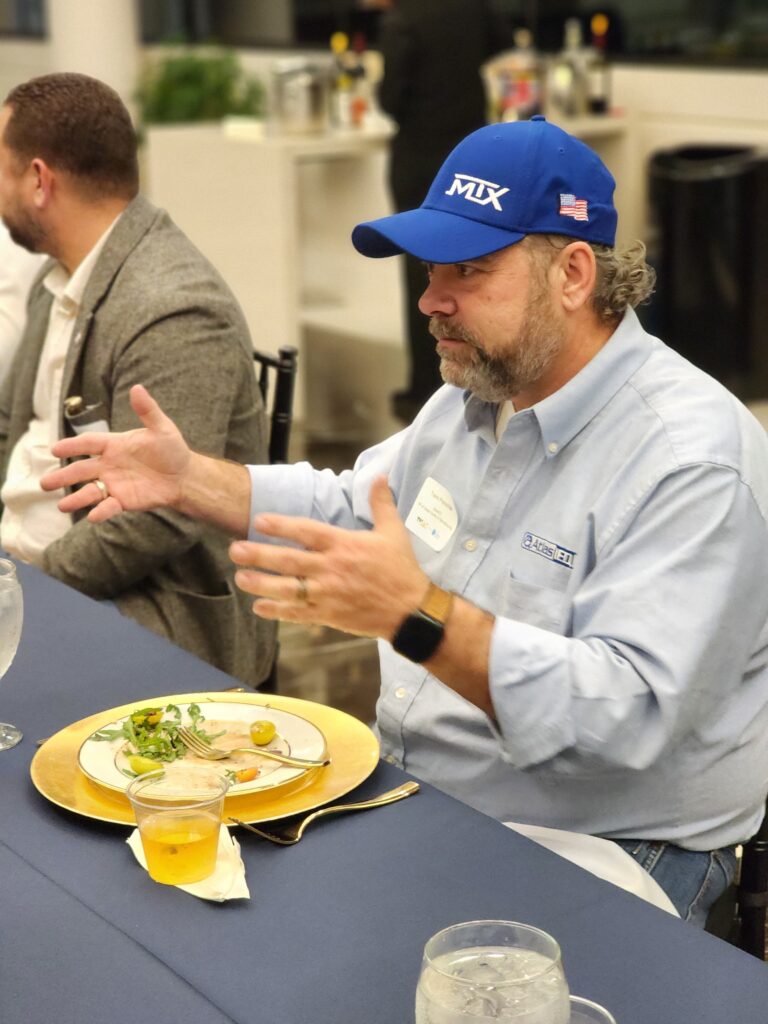
As my responsibilities grew through maintenance, engineering, operations, and quality leadership roles, I became known as the guy who could “get things done.” One executive jokingly referred to me as “Mr. Wolf” from Pulp Fiction, the person you send in to fix the problem no matter what it takes. Another mentor once called me his bulldog and said I was the person he would send to “take the mountain,” but once the mountain was taken, he would need to pull me off it before I started “shooting my own troops.”
At the time, I wore those labels like badges of honor.
Now I realize they were warning signs.
I confused urgency with leadership. I believed results justified the approach. I was focused on solving problems, but often failed to recognize the strain that force, pressure, and ego could create around the people solving them with me.
Lean Six Sigma tools improved my technical effectiveness, but they did not automatically improve how I led people.
Earlier in my career, I also had the opportunity to support PepsiCo Global initiatives while working within the Mitek/AtlasIED organization. One project, known internally as “Project Run Right,” combined my blow molding background with Lean line balancing concepts to help facilities identify quality and efficiency opportunities within blow-fill operations as PepsiCo transitioned portions of the process in-house to reduce non-value-added activity. Utilizing early iPad-based applications and operational data, the initiative helped standardize troubleshooting and improvement efforts across multiple facilities globally, including operations in Turkey. Looking back, it was one of my first experiences seeing how manufacturing knowledge, technology, and process improvement could be combined into scalable systems.
On paper, those metrics sound impressive. The more important lesson was how we achieved them.
Early on, I approached many international supplier interactions the same way I approached domestic operational problems: direct, aggressive, and heavily results-focused. That approach may work temporarily, but I quickly realized something important. Barking orders works on the first trip and then it doesn’t.
The stronger the relationship became, the less force I used, and ironically the better the long-term results became. Suppliers no longer responded because I was pounding on a conference table. They responded because they genuinely wanted to help solve the problem together.
That experience fundamentally changed how I viewed leadership.
I realized I had been drag racing leadership when what organizations really need is endurance racing. Short-term pressure can create temporary results, but sustainable systems only work when people believe in them after leadership leaves the room.
That lesson followed me back to Texas during the pandemic.
At the time, I had transitioned from Plant Manager in Ennis into a Director of Quality role supporting broader global operations. Meanwhile, demand for AtlasIED’s IPX PoE communication platform was rapidly accelerating. These were not one-off product sales. Entire school districts were deploying systems classroom by classroom, and production demand was increasing faster than existing capacity.
The common conversation became, “We need another line,” while others argued that adding labor was not “Lean.” Once again, opinions were driving decisions more than data.
After temporarily stepping back into operational leadership responsibilities, we partnered with TMAC to launch a focused Lean initiative around the product line. Once we mapped the process from order entry through shipping and analyzed actual takt times throughout production, the bottlenecks became obvious.
Fabrication and forming operations were already capable of supporting the required pace, often operating at takt times around one minute or less. Final assembly was not. Several assembly processes required nearly three times the takt time of upstream operations, leaving other stations waiting and creating major flow constraints.
The solution was not simply adding lines. The solution was balancing the system correctly.
By restructuring work content, balancing takt times, and strategically adding capacity where the process required it, production scaled from roughly 400 units per week to approximately 4,000 units per week.
One of the biggest misconceptions about Lean is that it is purely a labor reduction strategy. In reality, Lean is about identifying patterns, understanding constraints, and balancing systems to improve flow, quality, and customer responsiveness while minimizing waste. Sometimes that means reducing unnecessary activity. Sometimes it means adding resources where they create greater value.
That same philosophy continues shaping how I view automation, AI, and the future workforce today.
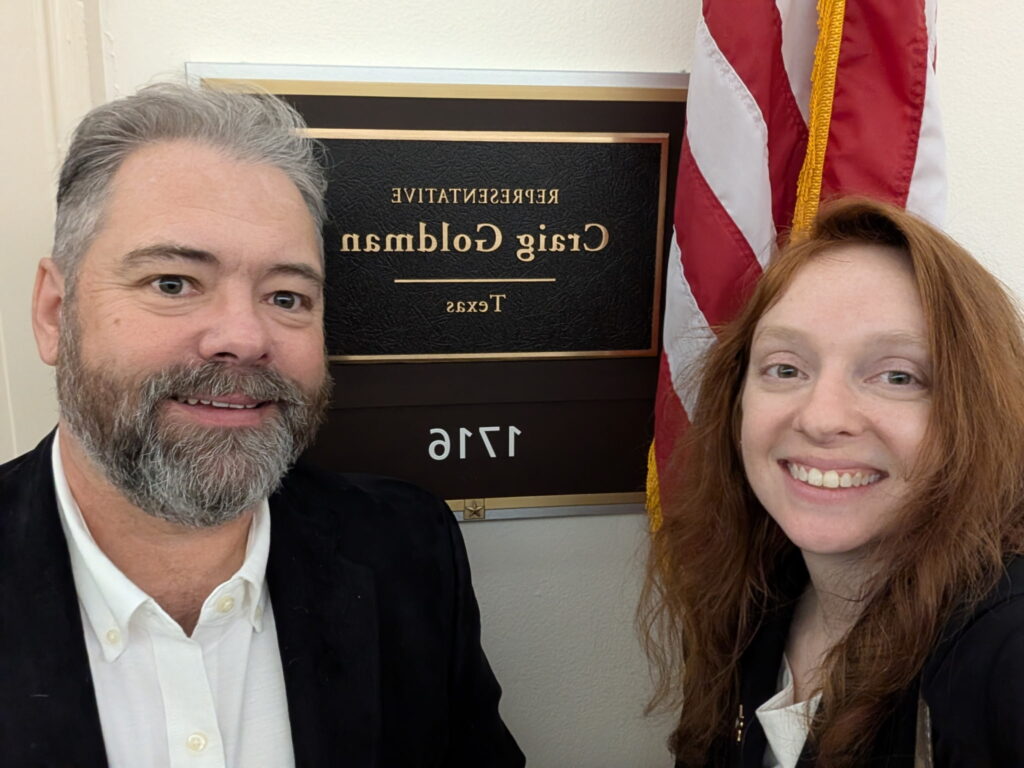
In March of 2025 alone, I spent 24 days traveling across 10 countries supporting ongoing supply chain and tariff-related initiatives. One reality becomes very clear when operating globally: labor cost differences still matter. For domestic manufacturers to remain competitive, organizations must continue evolving.
That does not mean replacing people. It means improving how people and technology work together.
Recently, our teams helped launch the AtlasIED AIX product line utilizing advanced automation, in-house SCADA integration, collaborative robotics, and AI-driven in-line quality verification systems developed internally in only a matter of months. Those initiatives, along with broader automation and workforce development efforts, contributed to AtlasIED receiving recognition through TMAC Manufacturing Excellence initiatives and emerging engineering awards.
Some newer Lean practitioners have expressed hesitation around AI tools supporting Green Belt projects and problem-solving activities. My perspective is different.
The calculator did not eliminate mathematics. The internet did not eliminate research. AI will not eliminate problem solving.
They are tools.
The organizations that thrive will be the ones that learn how to combine technology, automation, AI, and human experience into balanced systems capable of adapting faster than the competition.
Ironically, that lesson traces all the way back to what my grandfather was trying to teach me years ago.
Keep learning.
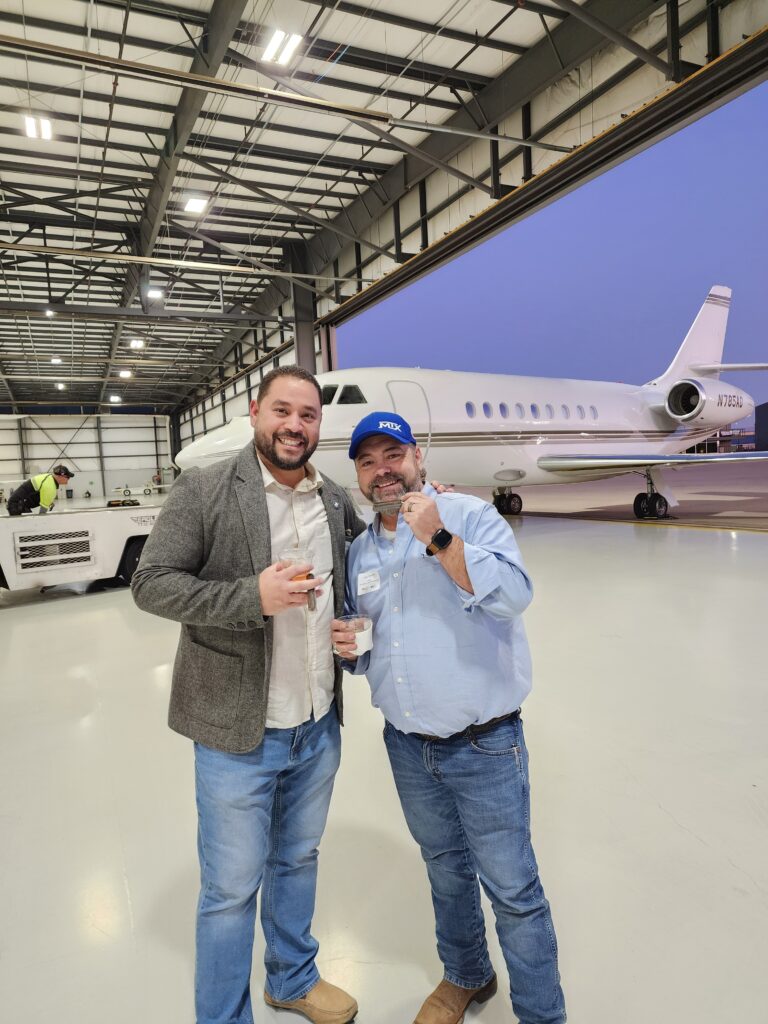
My business and IT degree completed in 2003 would be almost irrelevant in today’s technology environment had I stopped learning after graduation. Lean Six Sigma Black Belt certification was never intended to be a finish line either. It was simply another tool that helped me better understand systems, patterns, leadership, and continuous improvement.
The longer I’ve practiced Lean, the more I’ve realized the most important systems are people systems.
The tools will continue changing. Technology will continue evolving. AI, automation, and global manufacturing pressures will continue reshaping the industry.
But the responsibility to keep learning, adapt, and develop people remains constant.
That may be the most important lesson Lean Six Sigma ever taught me.
