

What Drives Team Success
by Russ Aikman
The month of January is an exciting time for football fans with playoffs in both the college and professional ranks. The College Football National Championship Game is scheduled for January 19th. And the Super Bowl is set a few weeks later on February 9th.
While teams cannot be successful without talent, the very best teams often have elite players on both offense and defense. What separates the winners from losers? Coaching.
Good coaching is fundamental to team success in any sport. What lessons can be learned from successful football coaches? And can those insights be adapted to Lean Six Sigma?
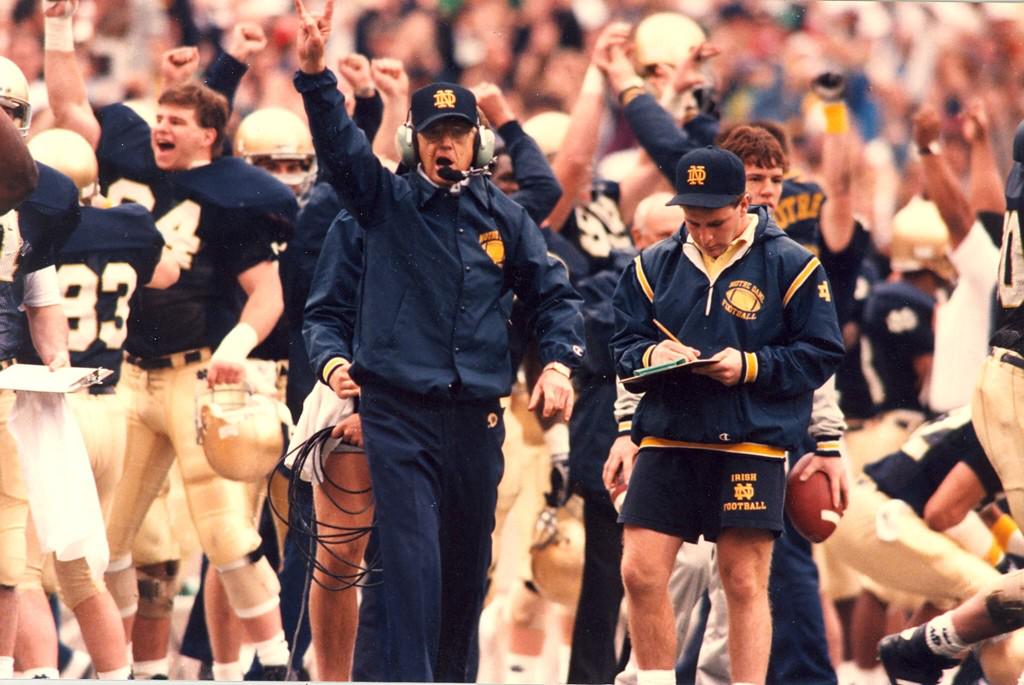
Lou Holtz is known for being the only college football coach to lead six different programs – including my alma mater, Arkansas – to bowl games. He is also the only coach to guide four different football programs to the final top 15 rankings. In 1988 he led Notre Dame to the National Championship. And in 2008 he was voted to the College Football Hall of Fame.
Three Critical Questions
In addition to his coaching skills Holtz worked for years as a sportscaster and is known as an engaging motivational speaker. He used magic tricks and stories to illustrate his points and impact his audience.
He was able to distill his coaching philosophy down to three critical questions:
- Can I trust you?
- Are you committed?
- Do you care about me?
These questions are great ones for anyone in a leadership position. Think about them from the perspective of a LSS Black Belt or Green Belt leading a project team. Or of a LSS Champion leading a LSS Program. Or of a project sponsor managing a department or supervising staff in a process.
Let’s look at each question from a Lean Six Sigma context.
Can I trust you?
While all three questions are important, in many ways the first one – Can I trust you – is the most important. Because if the answer is ‘No’ it doesn’t matter what the answers are to the other two questions. Building and maintaining trust is a topic that gets almost no coverage in the business press. And yet it is critical for leaders to do just that.
How do you build trust? Start with the basics: When you agree to do something, do it. Make – and keep – your commitments. Be a person of your word. Be honest in your communications. Keep stakeholders informed. If you make a mistake, let those affected know.
It’s not that hard. But building trust does take some time. Don’t try to rush it. And don’t overlook such activities.
Are you committed?
This question can be tricky in a workplace setting. The good news for LSS practitioners: There are multiple tools and methods to help gain commitment. The first such tool is the Project Charter. When LSS teams work together to prepare a Charter that is compelling they often have a shared commitment to achieve project success. This is especially true for the Problem and Goal Statements. Always remember: The Charter is the most important deliverable for the Define Phase.
Another tool to help with commitment is the RACI Chart. This tool makes clear who is to do what and can be used to check on status of deliverables. Other common LSS tools include Gantt Charts, Action Item Logs, and Meeting Minutes. All can be helpful to confirm commitment – and to hold team members accountable.
Do you care about me?
This is another question which can be difficult to express at your job. Yet part of being an effective leader is to be sensitive to the needs of your people. Going back to the DMAIC process, a critical activity is to determine the Voice of the Customer (VOC). Of course, customer needs must be balanced with business needs through the Voice of the Business (VOB). Many LSS practitioners are now incorporating a third voice: The Voice of the Employee (VOE).
What are the needs of employees? Well, a workplace that is safe, for starters. Other needs typically include the Right Information, Materials, and Resources to do their job. Again, this should be basic stuff. Yet, in too many instances it is not. Taking the time to determine the Voice of the Employee during the Define Phase will go a long way towards answering the question Do You Care About Me.
Beyond that, LSS practitioners need to think about how their projects, training, and related activities are meeting the needs of team members in terms of developing their skills and abilities. As those team members gain new skills they become more valuable contributors to the company, leading to growth in responsibilities and rewards.
Another aspect of caring is to show grace to team members who have other commitments, especially those outside work. Often this insight comes from having honest conversations with each person on the team. As with the previous two questions this takes time. But the rewards can be substantial, both for the company and for the individual.
For more on Lou Holtz’s three rules for leadership – and translating them to a business setting – check out this blog by business coach Jack Klemeyer.